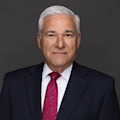
Anthony M. Mariani - Pittsburgh, PA
Attorney at Phil Dilucente & Associates, LLC
Personal Injury Lawyers in Pittsburgh, PA
310 Grant St. Suite 1801 Pittsburgh, PA 15219
- Free Consultation
Pittsburgh Personal Injury Lawyer
Updated: 08/20/2026
Areas of Practice
- Personal Injury
- Criminal Defense
Attorney Information
Overview
Attorney Anthony Mariani applies his extensive experience in the firm’s criminal practice group with a primary focus on grand jury matters. Anthony served as Trial Judge in the Criminal Division of the Allegheny County Common Pleas Court for the past 18 years. During his tenure, he was selected as Supervising Judge of the PA Statewide Investigating Grand Jury (December 2020 – December 2023) and Chair of the PA Supreme Court Statewide Investigating Grand Jury Task Force (April 2017 – November 2019). Prior to his service as judge, Anthony maintained a private law practice concentrating in white collar criminal defense, business litigation, civil rights litigation, and personal injury litigation. He also served as Assistant U.S. Attorney, Western District of PA and as Assistant Public Defender for Allegheny County.
He has also taught as an adjunct professor of law at the Duquesne University School of Law (August 2022 – December 2023).
Education
Legal Education
-
University of Pittsburgh School of Law, Pittsburgh, Pennsylvania, 1980
J.D.
Non Legal Education
-
University of Pittsburgh, 1977
B.A.
Current Employment Position(s)
-
Attorney
Bar Admissions
- Pennsylvania, 1980
- U.S. District Court Western District of Pennsylvania, 1980
- U.S. Court of Appeals 3rd Circuit, 1985
- U.S. Tax Court, 1986
- U.S. Court of Appeals 4th Circuit, 1995
- United States Supreme Court, 1996

Photo

Contact
Disclaimer
Your Profile? Update Now
When viewing a listing, consider the state advertising restrictions to which lawyers and law firms must adhere, as well as our FindLaw.com Legal Directory disclaimer. Some lawyers publish comparative information regarding the services that they provide which may be subject to specific comparative communications restrictions.